Septic Inspections Before You Buy or Sell a Home in Northwest Arkansas
A septic inspection is often a condition of closing, so it helps to know what the inspector checks before the contract clock starts.
October 1, 2026 · 4 min read
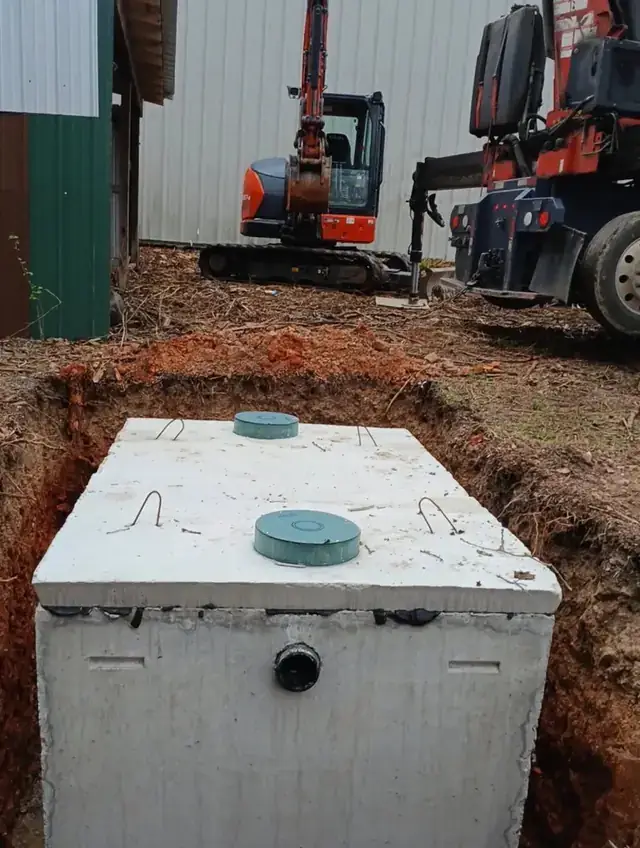
Plenty of homes around Springdale, Fayetteville, Rogers and Bentonville are not on a city sewer line, especially once you drive out toward the edges of Washington and Benton counties. If you are buying or selling one of those houses, the septic system quickly becomes part of the deal. Most banks and lending institutions require a complete septic system inspection before closing, so a clean report can keep a sale on schedule while a surprise can stall it for weeks.
Why lenders ask for an inspection
A septic system is expensive to replace and almost entirely buried, which means nobody can judge it by walking through the house. A lender is putting real money behind the property, and a failed system can turn a good house into a problem. The inspection gives everyone a written snapshot of how the system is doing on the day it was looked at. Requirements differ from lender to lender and from one buyer's situation to the next, so ask your lender and your real estate agent early what they want to see and who they will accept it from.
If you are the seller, it often pays to find out the condition of your system before you list. Nobody enjoys learning about a cracked baffle or a soggy field in the middle of a contract. Knowing ahead of time lets you fix things on your own schedule or at least price the house honestly.
What an inspector actually looks at
A complete inspection is more than lifting a lid and shining a flashlight. The inspector works through the system from the house to the field, looking at each part that can fail.
- The tank: the condition of the concrete, signs of cracks or leaks, and the liquid level compared to where it should sit.
- The baffles: the inlet and outlet pieces inside the tank that keep solids from traveling out toward the field. A missing or broken baffle is a common finding.
- The risers and lids: whether they are sound, sealed and reachable, since they are how anyone gets into the tank without digging.
- The distribution box: the box that splits the flow among the field lines. If it has settled or shifted, some lines get flooded while others sit dry.
- The drain field: the buried lines where the liquid finally soaks into the ground, plus the surface above them.
- Any pump or lift station, if the property needs one to move wastewater uphill.
A good inspector also asks questions: how many people live in the house, whether there is a garbage disposal, and when the tank was last pumped. Records of past pumping or repairs are worth digging out of your files before the inspection.
How often should a tank be pumped
There is no single schedule that fits every home. As a general guide, many households with an average-sized tank pump somewhere in the range of every three to five years, but a bigger family, a smaller tank, a heavy disposal habit or lots of laundry can shorten that. Ask the person who inspects your system what they recommend for your household instead of relying on a rule of thumb. If you are selling, a receipt showing a recent pumping is a small thing that tends to reassure buyers.
What a failing drain field looks like
The drain field is the part you can sometimes read from the surface. Northwest Arkansas has heavy clay in a lot of places, and wet springs make fields work harder, so one soggy week does not always mean failure. Still, these are the signs that deserve a closer look:
- Ground that feels spongy or stays wet over the field lines when the rest of the yard is dry.
- A strip of grass that is greener and thicker than everything around it.
- Sewage smells in the yard, near the tank or near the field.
- Drains that gurgle or run slowly throughout the house, not just at one sink.
- Wastewater backing up into the lowest drain or tub in the house.
- Standing water or dark liquid pooling on the surface.
Hillsides, clay and getting it installed right
Septic systems are only as good as their installation, and plenty of lots around here are sloped, rocky or hard to dig. One homeowner who built a new house wrote in a Google review about NWA C&S Plumbing: "Jose installed my septic system, which was located on the side of a hill and not easy to dig with equipment. Despite the challenging conditions, he completed the job quickly and passed inspection on the first attempt." Passing the first time is exactly what you want, because a system that is installed carefully tends to be a system that inspects cleanly years later.
If the report comes back with problems
A report with findings is not the end of a sale. Many issues, like a broken baffle, a damaged riser lid or a tank that simply needs pumping, are straightforward to correct. Bigger findings, such as a failing field, are harder, and the buyer and seller usually have to talk through who handles them. Get the written findings, get a repair estimate from a plumber who works on septic systems, and share both with your agent before anyone decides anything.
NWA C&S Plumbing does home-buying septic inspections as well as septic installs, and estimates are free. If you are buying or selling a home in Springdale, Fayetteville, Rogers, Bentonville or nearby, call (479) 790-3527. Hablamos Español.
NWA C&S Plumbing, (479) 790-3527
Call (479) 790-3527More articles
Signs of a Slab Leak or Hidden Water Leak in Your Home
Most hidden leaks give hints long before anything drips through a ceiling, if you know what to listen and feel for.
Repair or Replace Your Water Heater? A Northwest Arkansas Guide
A simple set of rules helps you decide whether a repair is worth the money or whether the old tank has had its day.