Signs of a Slab Leak or Hidden Water Leak in Your Home
Most hidden leaks give hints long before anything drips through a ceiling, if you know what to listen and feel for.
October 1, 2026 · 4 min read
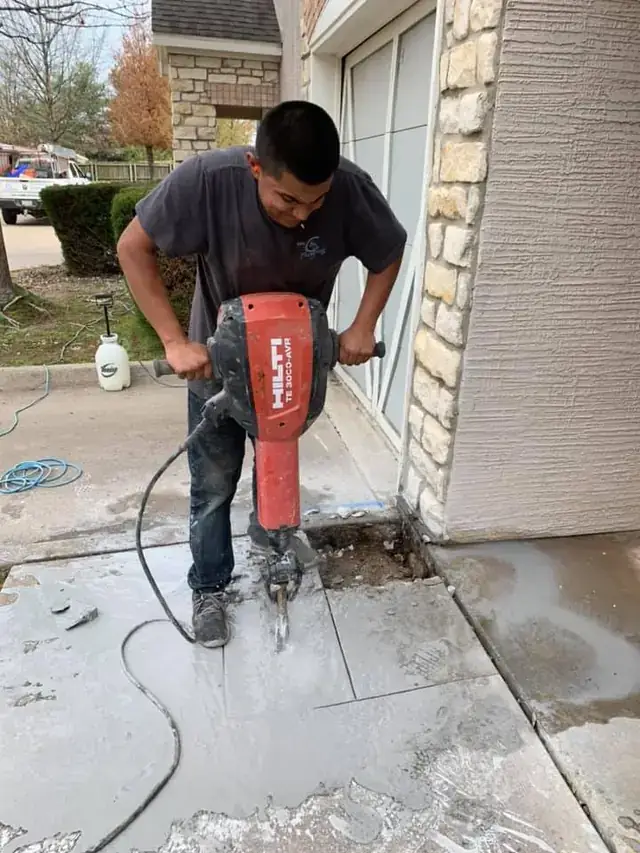
A slab leak is a leak in a water line that runs under or inside the concrete foundation of your home. Plenty of houses in Springdale, Fayetteville, Rogers and Bentonville are built on slabs, and the lines buried in or beneath them are out of sight for years. When one of them starts to leak, the first signs are easy to miss, and the damage keeps growing while nobody is looking. Catching it early is usually the difference between a repair and a much bigger mess.
The quiet signs that something is wrong
Hidden leaks are sneaky, but they usually leave a few clues. If you notice more than one of these, it is worth having a plumber take a look.
- The sound of running or hissing water when every faucet, appliance and toilet in the house is off.
- A water meter that keeps moving even though nobody is using water.
- A water bill that jumps without any change in how your household uses water.
- Warm or hot spots on the floor, which can point to a leaking hot water line under the slab.
- Damp drywall, peeling paint or a musty smell along a wall.
- Wet carpet, buckled flooring or floor tiles that feel damp or have started to lift.
- New cracks in the foundation or in walls that were fine before.
- Low water pressure that has crept up on you for no obvious reason.
A quick check you can do yourself
Before you call anyone, find your water meter and look at it with every fixture in the house turned off. Many meters have a small dial or triangle that spins when water is moving. Wait twenty minutes or so without using any water and look again. If the dial or numbers have changed, water is going somewhere. That does not prove the leak is under the slab, because a running toilet or a dripping outdoor faucet can do the same thing, but it tells you something is losing water.
Walk through the house barefoot if you can, since feet are good at finding warm patches. Check the walls along the lines of bathrooms and the kitchen for soft spots. Take a look at the base of the water heater, too, because a slow leak there can look a lot like trouble under the floor.
Why waiting costs more
Water under a slab does not just sit there. It can soften the soil, wash it away from under the concrete and keep feeding moisture into flooring, baseboards and framing. Mold likes damp drywall and carpet pads. In clay soils like much of Northwest Arkansas, extra moisture can also make the ground move more than it should. Leaks tend to get worse, not better, and a pinhole in a pipe can become a bigger break with time and pressure.
How plumbers find the leak without cutting everything open
Good leak detection is non-invasive. Instead of breaking the floor and hoping, a plumber can use listening equipment to hear the leak through the concrete, pressure-test sections of the line to see which one is losing water, and check meters and shutoffs to narrow it down. The goal is to know where the leak is before anyone picks up a saw or a breaker. That keeps the opening small and the repair focused on the spot that is actually broken.
What a repair can look like
Once the leak is located, the options depend on where it is and what the pipe is made of. Sometimes the answer is opening the slab in one small spot and replacing a section of line. In other homes, where the lines are old or leaking in several places, it can make more sense to reroute new lines through the walls or attic instead of repairing under the concrete. A plumber should explain the choices and why one fits your house better than another.
These repairs are not always as drawn out as people fear. A past customer of NWA C&S Plumbing described the crew cutting the slab, repairing the water leak and re-pouring the concrete, all in the same day. Every job is different, and how long yours takes depends on the leak, the access and the concrete, but it shows that the work does not have to drag on for weeks.
What to do right now if you suspect a leak
- Check the water meter with everything off, as described above.
- If you can hear water running and cannot find the source, shut off the main water valve to the house until help arrives.
- Keep a record of dates, bills and any damp or warm spots you find, which helps the plumber.
- Do not start pulling up flooring on a guess. Let leak detection point to the right place first.
- Call your homeowners insurance company to ask how they treat water damage, since policies differ.
If you think you have a slab leak or a hidden leak somewhere in your home, NWA C&S Plumbing can come take a look, and estimates are free. Call (479) 790-3527 from Springdale, Fayetteville, Rogers, Bentonville and the towns around them. Hablamos Español.
NWA C&S Plumbing, (479) 790-3527
Call (479) 790-3527More articles
Septic Inspections Before You Buy or Sell a Home in Northwest Arkansas
A septic inspection is often a condition of closing, so it helps to know what the inspector checks before the contract clock starts.
Repair or Replace Your Water Heater? A Northwest Arkansas Guide
A simple set of rules helps you decide whether a repair is worth the money or whether the old tank has had its day.